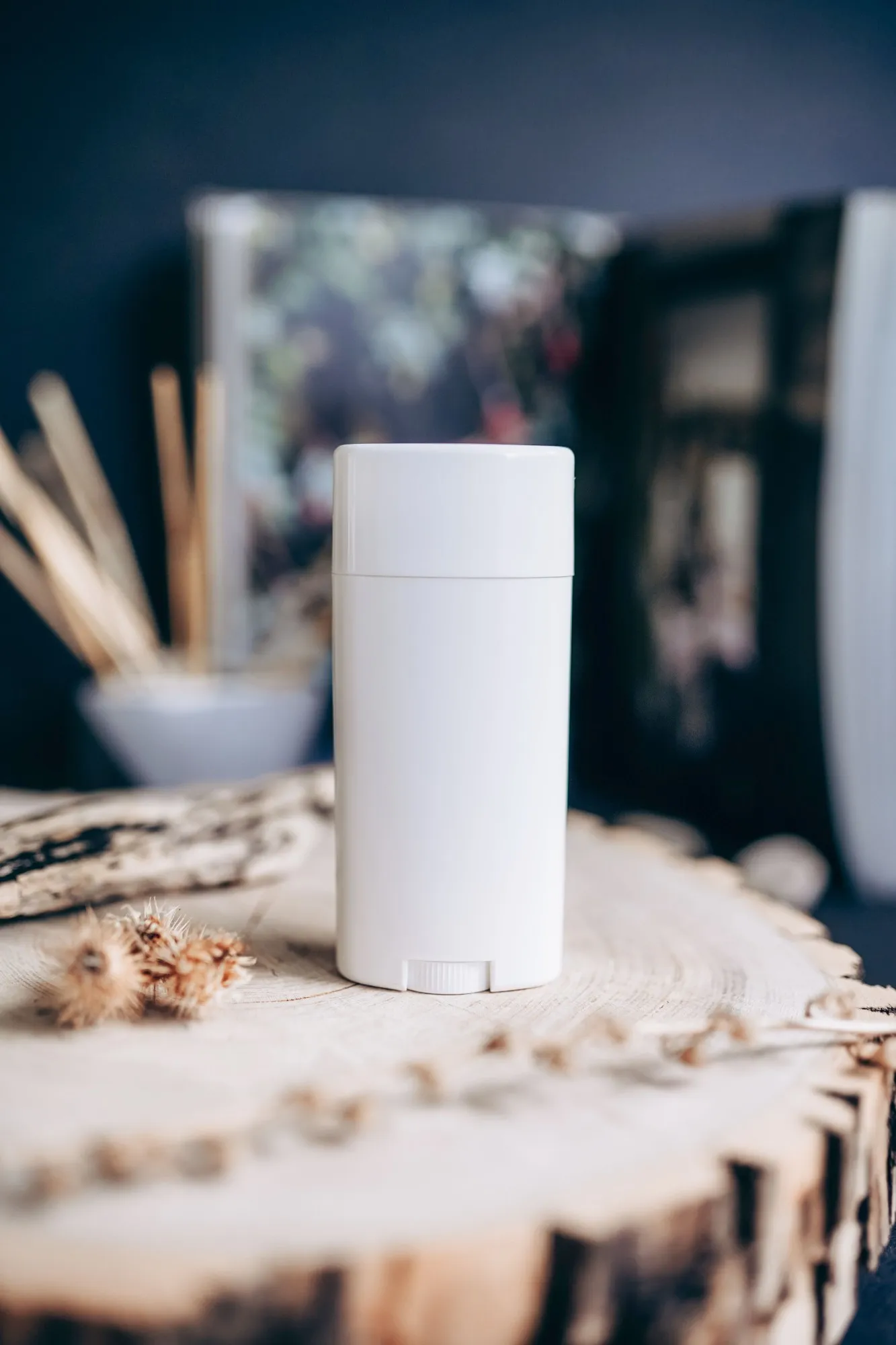
Natural deodorant is one of the most popular categories in clean personal care, and private label manufacturing makes it possible to launch without a lab or a factory. This guide walks through the decisions you will make, in the order you will make them.
1. Pick a Customer, Not Just a Product
The deodorant aisle is crowded, so the brands that stand out usually serve a specific person. A few examples:
- People with sensitive skin who react to baking soda
- Athletes and outdoor workers who need long-lasting odor control
- Shoppers cutting plastic from their routine
- Teens buying their first deodorant
- Spa, salon, or wellness clients who want a signature scent from a place they trust
Write one sentence describing your customer. It will guide every choice that follows, from ingredients to the color of your label.
2. Choose a Format
Sticks are the format most shoppers know, but they are not the only option.
| Format | Why brands choose it |
|---|---|
| Twist-up stick | Familiar, easy to apply, widest packaging choice |
| Paper push-up tube | Plastic-free story, strong fit for eco brands |
| Roll-on | Light, quick-drying, good for gel and liquid formulas |
| Spray or mist | Whole-body use, refresh during the day |
| Cream in a jar | Rich texture, minimal packaging, loyal following |
Many brands launch with one stick and add a second format once they have customers asking for it.
3. Decide Between White Label and Custom
White label means branding an existing stock formula. It has the lowest minimums and the shortest timeline because the formula is already developed and tested. It is a smart way to validate demand.
Custom formulation means developing a formula for your brand. It costs more and takes longer, but you get a product with your own ingredient story and scent. Our custom formulation page explains the process in detail.
4. Work Backward From Your Retail Price
Decide where you will sell and what price customers in that channel expect. Then work backward:
- Retail price
- Minus retailer or marketplace margin (if you sell wholesale or on Amazon)
- Minus shipping, fulfillment, and payment fees
- Minus marketing cost per sale
- What is left is the most you can spend per unit on product and packaging
Share your target retail price when you request a quote. A good manufacturer will suggest packaging and decoration options that protect your margin.
5. Plan Your Branding and Label
You will need a brand name, a logo, and label artwork sized to your container. Your manufacturer provides the dieline, which is the exact template for the label. Make sure your label includes the required information for your market. In the United States that includes an identity statement, net contents, an ingredient list, and your business name and contact details. Our guide to deodorant label requirements covers this in more depth.
Also register a barcode through GS1 if you plan to sell in stores or on Amazon.
6. Order and Test Samples
Wear the samples for a full week, including a workout day and a hot day. Ask friends who match your customer profile to try them too. Pay attention to glide, residue on clothing, scent strength at the end of the day, and any skin reaction.
7. Place Your First Production Order
Your first order should be large enough to meet the manufacturer’s minimum and cover your launch, but not so large that cash is tied up in inventory you cannot sell quickly. Ask your manufacturer to quote two or three quantity levels so you can compare unit costs.
8. Launch, Listen, and Reorder
Once your product is live, track reviews and repeat purchase rates. Customer feedback tells you which scent to add next, whether a second format makes sense, and when it is time to invest in a custom formula.
Ready to take the first step? See how our process works or request a free quote.
This article is general information, not legal or regulatory advice. Rules change and vary by market, so confirm requirements with a qualified professional.